

Move Your Legs with Confidence.
Lower Leg Assessment Clinic
If you are experiencing swelling, heaviness, tightness, or pain in your lower legs, these symptoms may be related to fluid buildup or problems with circulation in your legs.
Our approach focuses on reducing swelling, improving comfort, and supporting long-term edema control through comprehensive assessment, decompression support, and compression therapy guidance. We assess for underlying conditions such as lymphedema, lipedema, and vascular insufficiency, while also evaluating circulation, neurological function, and skin integrity as part of a complete lower limb assessment.
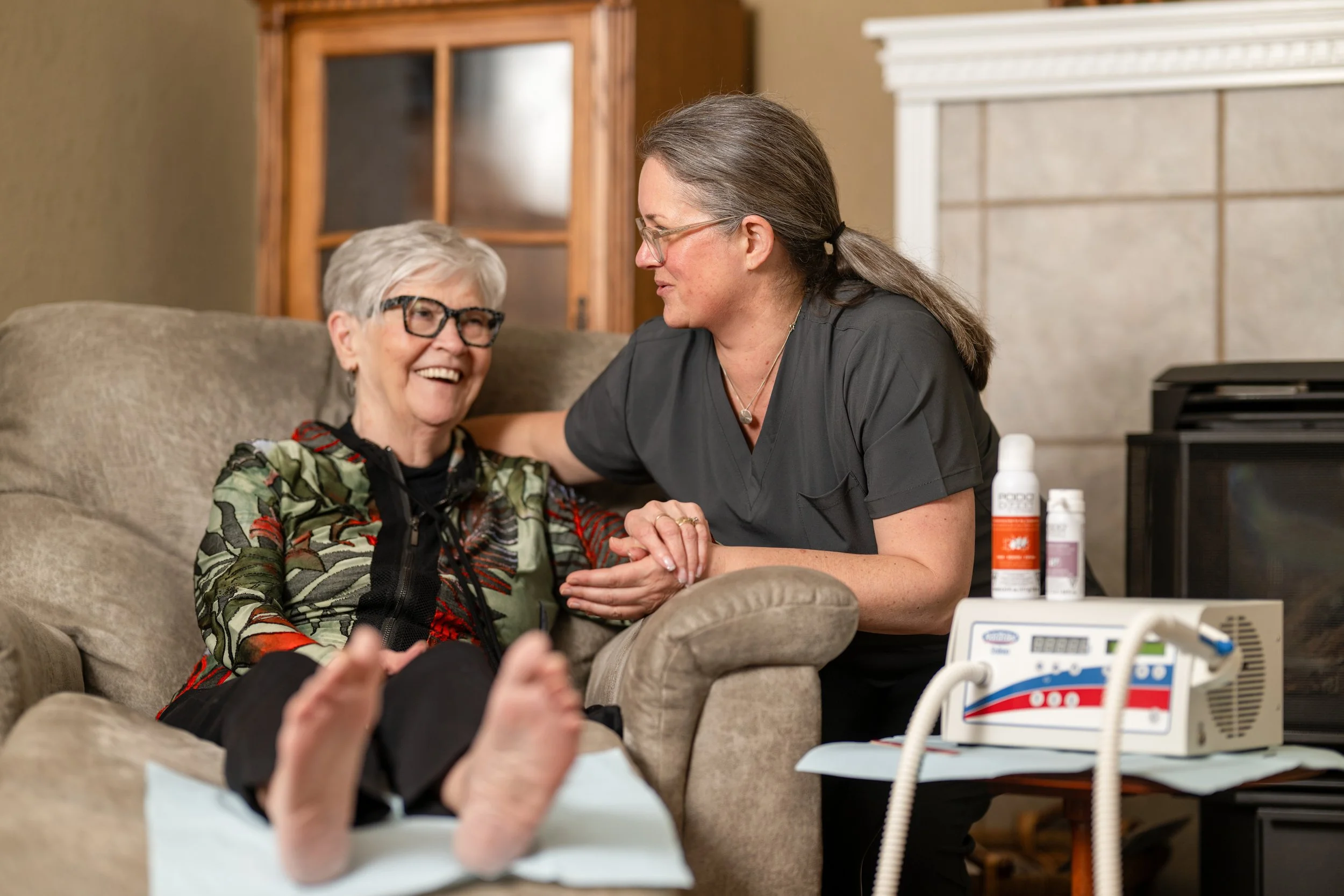
What sets our clinic apart is our nurse-led model, providing timely access to care without long wait times. Initial assessments are completed in clinic to ensure a thorough and accurate evaluation, with the option for ongoing in-home follow-up as needed. We deliver practical, individualized care plans designed to fit into your daily routine, with a focus on early intervention, prevention, and ongoing support.
We work collaboratively with your physician and other healthcare providers, and can provide assessment reports and updates as needed to support your ongoing care.
If you are unsure where to start, we recommend booking an Initial Lower Leg Assessment—your nurse will complete a thorough evaluation and guide your care from there.
What to Expect at Your First Visit
Your first visit is a comprehensive, in-clinic assessment focused on understanding your symptoms and identifying what may be contributing to them.
Many people live with ongoing swelling, heaviness, skin changes, or discomfort without knowing why it’s happening or what will help. You do not need to have a diagnosis or know what type of care you need before booking—this assessment is designed to give you clarity and direction.
All assessments and treatments are delivered by trained nurses using current clinical guidelines and evidence-based best practices to ensure safe and appropriate care.
We offer a range of assessments and follow-up care depending on your needs.
During your visit, your nurse will:
Review your symptoms, health history, and current concerns
Assess swelling, limb measurements, and tissue changes
Evaluate circulation and identify any factors affecting lower leg health
Assess skin integrity and screen for wounds or areas at risk of breakdown
Screen for conditions such as lymphedema, lipedema, or vascular issues
Following your assessment, you will:
Receive a clear explanation of what may be contributing to your symptoms
Understand what is safe and appropriate for your care
Be given practical strategies to begin managing swelling and discomfort
Receive guidance on next steps, including treatment and follow-up if needed
Leave with a personalized plan tailored to your condition and daily routine
Initial Lower Leg Clinic
Recommended Starting Point: Initial Lower Leg Assessment
A comprehensive, in-clinic assessment designed to understand your symptoms, identify contributing factors, and determine a safe and appropriate plan.
Includes:
Full lower leg and edema assessment
Circulation screening (Doppler if indicated)
Skin and tissue evaluation
Screening for underlying conditions such as lymphedema or vascular concerns
Clear explanation of findings and personalized care plan
Best for:
Anyone experiencing swelling, discomfort, or changes in their lower legs, or those unsure what type of care they need
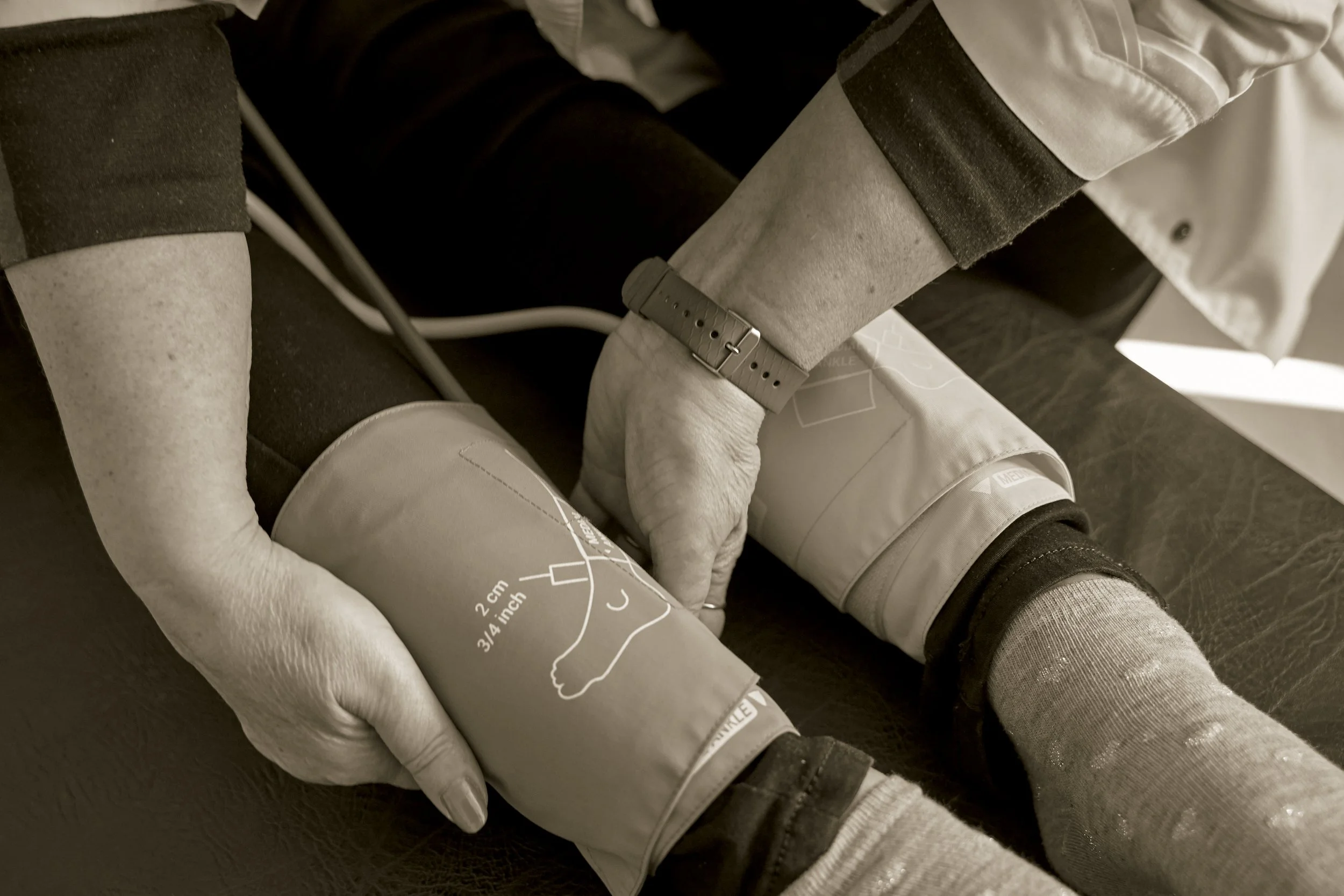
Circulation & ABI Assessment
A more detailed assessment of arterial circulation to support safe care planning and guide treatment decisions. This is often recommended by physicians when there are concerns about circulation or before certain treatments are started.
Includes:
Doppler circulation screening
Ankle-Brachial Index (ABI) testing
Interpretation of results and clinical recommendations
Optional physician report if required
Best for:
Clients with known or suspected circulation concerns, or when additional testing is needed to guide care
Ongoing Treatment & Support
Follow-up care focused on reducing symptoms, maintaining progress, and supporting long-term lower leg health. This includes skilled nursing assessment and ongoing care, with monitoring of skin and wound status, tissue changes, and regular clinical reassessment to guide treatment as your condition evolves.
Care may include:
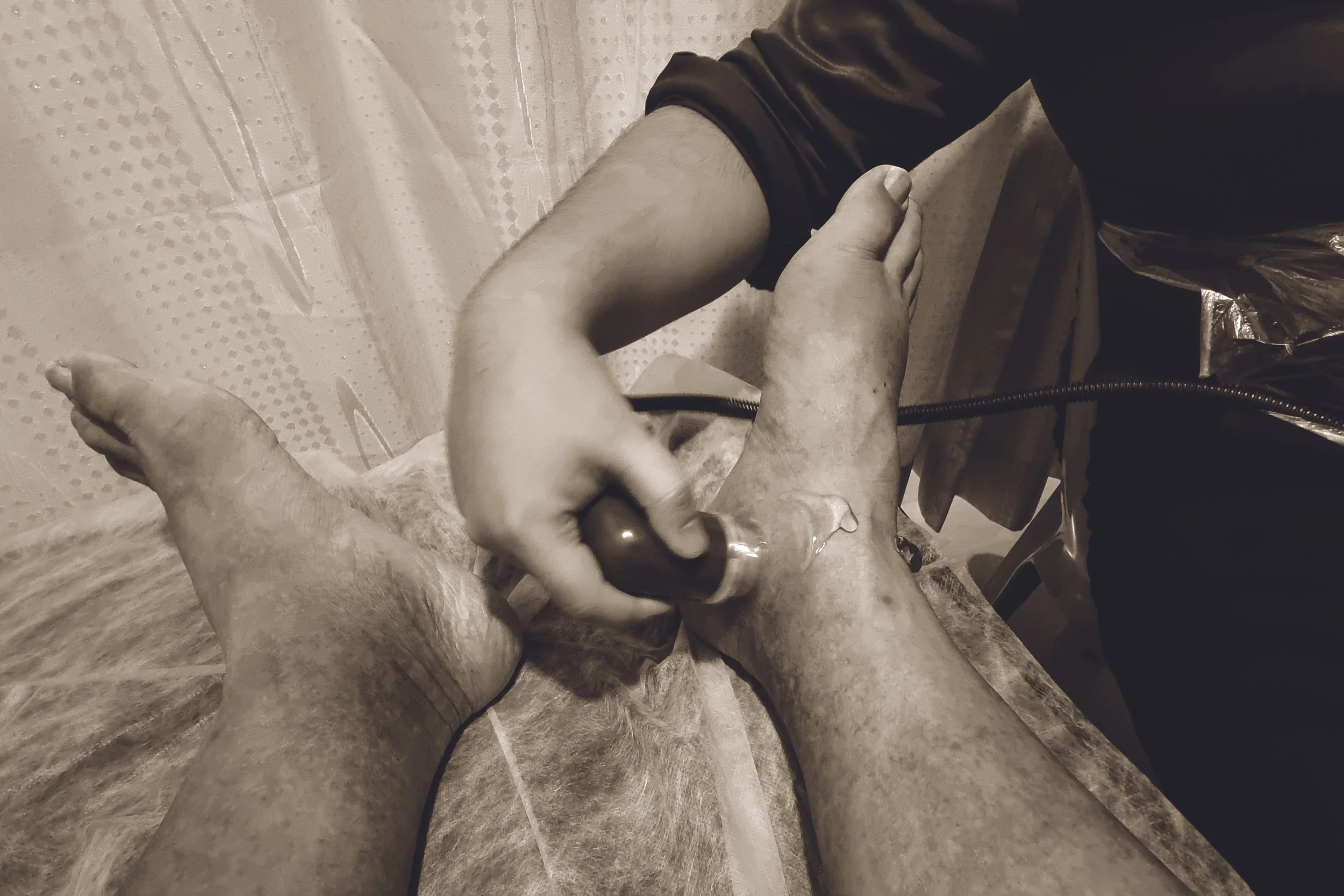
Decompression therapy to help reduce swelling
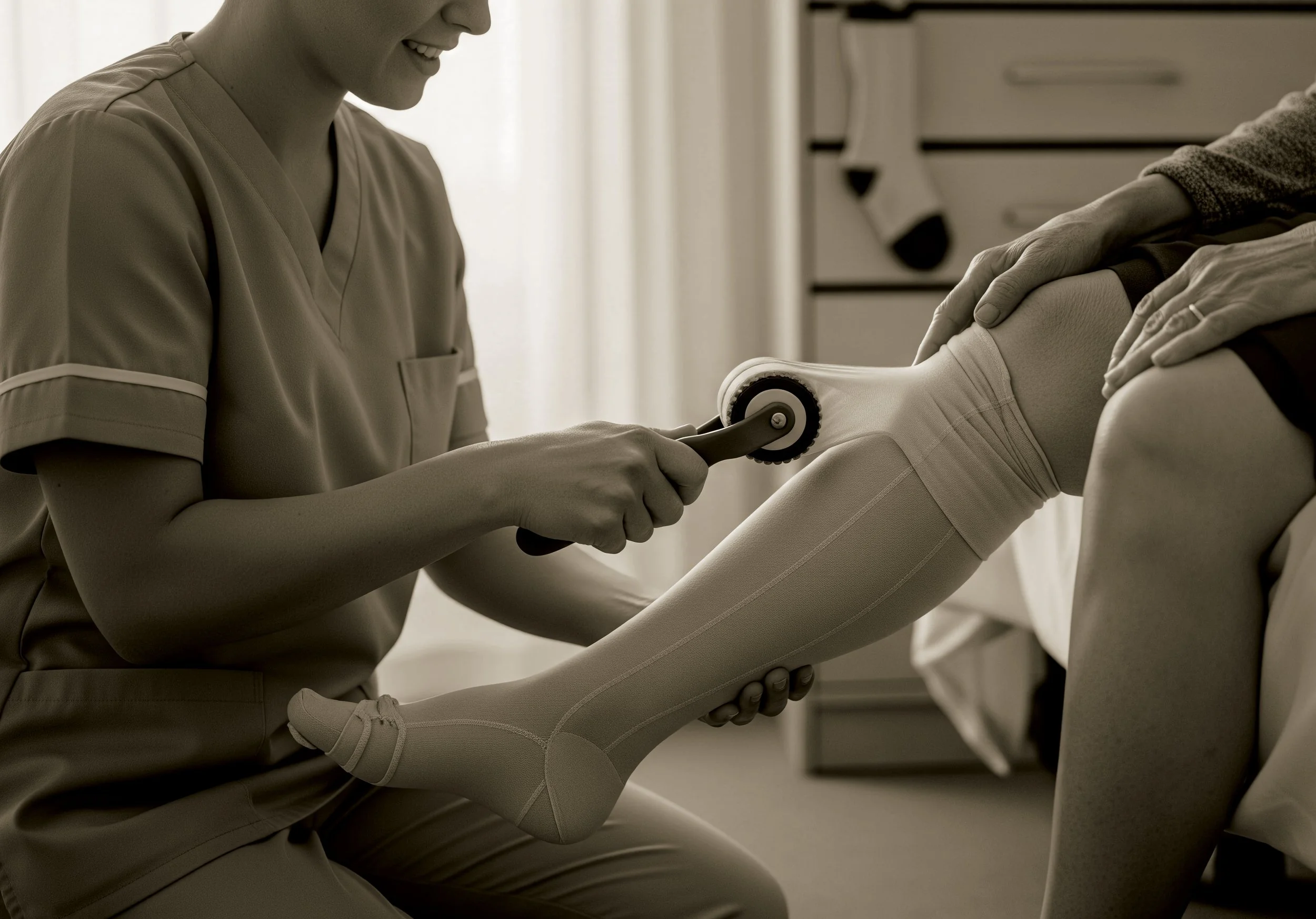
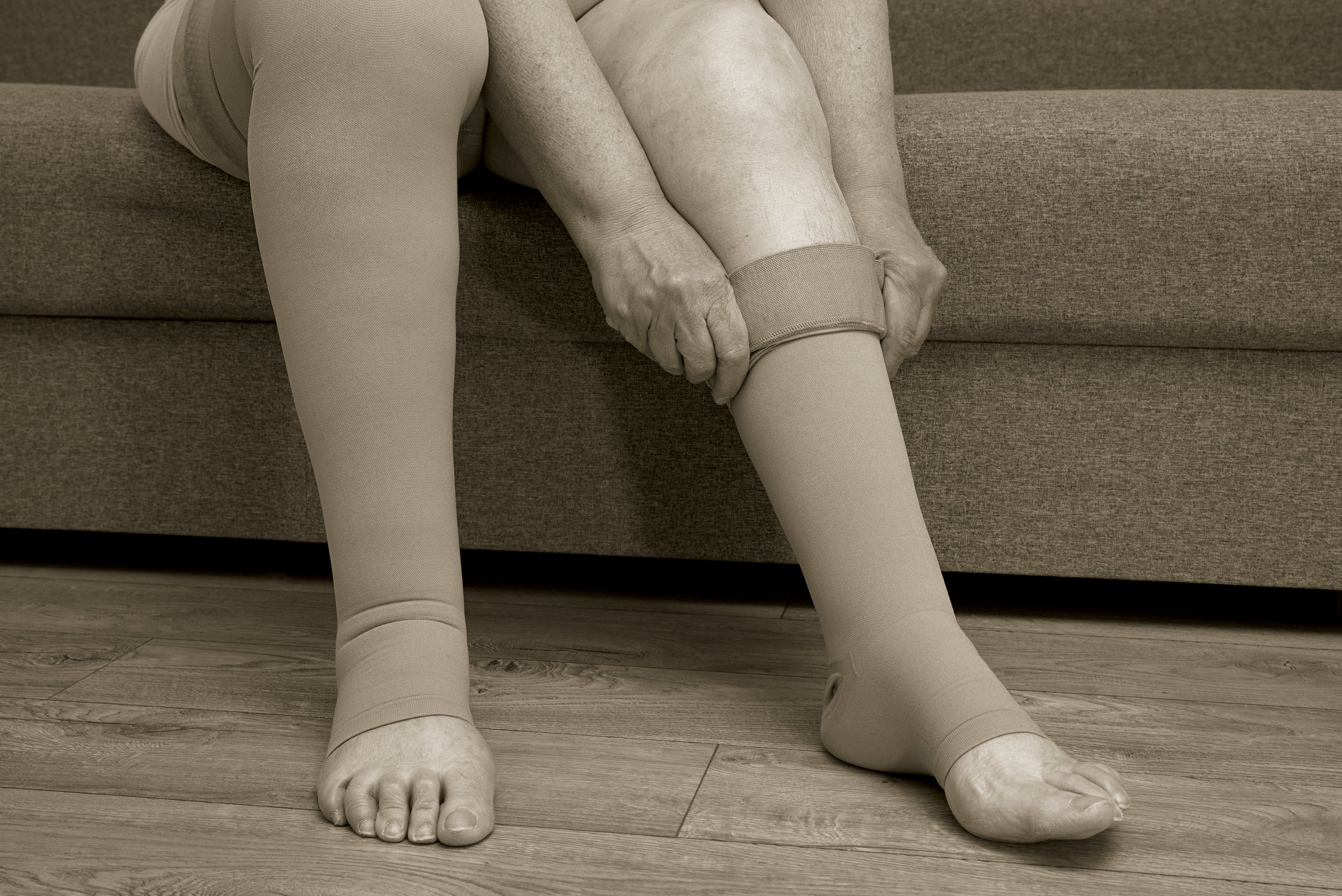
Compression therapy support, including fitting, education, and adjustments
Lower leg management treatments to support skin health, circulation, and comfort
Ongoing monitoring of swelling, skin integrity, and response to treatment
Adjustments to your care plan based on progress
Best for:
Clients requiring continued care and support following their initial assessment
Who This Clinic Is For
This clinic is designed for individuals experiencing changes in their lower legs who want clear answers and practical support.
You may benefit from an assessment if you are experiencing:
Swelling in one or both legs
Heaviness, tightness, or discomfort
Skin changes, dryness, or irritation
Fluid buildup that worsens throughout the day
Difficulty finding or tolerating compression garments
Ongoing or worsening lower leg symptoms
You do not need a diagnosis or referral to book an assessment. Many clients come in unsure of the cause of their symptoms—our role is to assess, explain, and guide next steps.
Early assessment can help prevent symptoms from worsening, support better long-term management, and make it easier to stay comfortable and active in your daily life.
Our Approach & Booking

Our clinic combines comprehensive assessment, hands-on care, and ongoing support. We focus on identifying the underlying causes of your symptoms and providing practical, evidence-based strategies to support long-term lower leg health.
Care is individualized and adjusted over time based on your response and progress. When appropriate, we work collaboratively with your physician and other healthcare providers to support coordinated care.
If you are unsure where to start, book an Initial Lower Leg Assessment. Your nurse will complete a full evaluation and guide your care from there.